
What to Do When Your Windshield Wiper Fluid Freezes
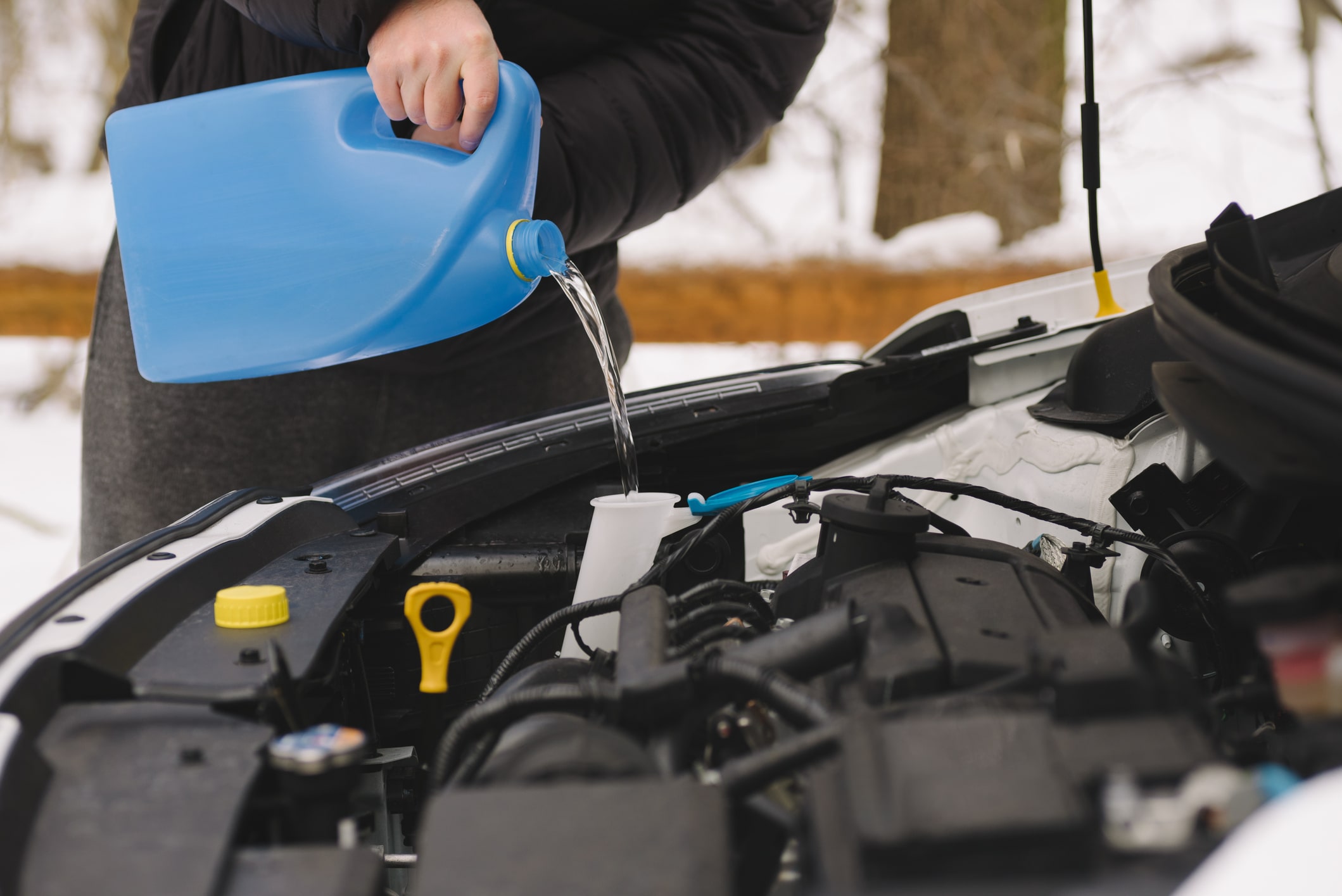
Winter weather presents unique challenges for vehicle maintenance, and frozen washer fluid ranks among the top seasonal headaches for drivers. Whether you're dealing with icy nozzles, frozen fluid lines, or a solid block of ice in your reservoir, knowing how to address these issues quickly gets you back to safe driving.
At Christian Brothers Automotive, we understand that winter car care extends beyond oil changes and tire rotations—it includes ensuring every system works when you need it most.
Can Windshield Washer Fluid Freeze?
Yes, windshield washer fluid can absolutely freeze, especially if you're using summer-grade fluid or diluted solutions during cold weather.
Most standard washer fluids have varying freezing points depending on their alcohol content, with some formulas freezing at temperatures as high as 32°F. When temperatures drop below the fluid's freezing point, ice can form in multiple locations throughout your washer system, preventing proper function when you need clear visibility most.
Your windshield washer system has three primary areas where freezing commonly occurs:
- Windshield Washer Nozzles: These small spray jets on your hood are highly susceptible to freezing because they're exposed directly to cold air and wind chill. Ice crystals can quickly block these narrow openings, preventing washer fluid from reaching your windshield even when the reservoir and lines remain clear.
- Washer Fluid Lines and Hoses: The thin plastic tubes that carry fluid from the reservoir to your nozzles can freeze solid when filled with low-grade washer fluid. These lines run through unheated areas of your vehicle, making them vulnerable to winter temperatures. A frozen line anywhere along the path will stop fluid flow completely.
- Washer Fluid Reservoir: The reservoir itself can freeze when filled with fluid that lacks adequate antifreeze properties. A frozen reservoir not only prevents fluid from circulating but can also crack the plastic tank as ice expands, potentially causing costly damage that requires complete replacement.
Freezing occurs because water-based washer fluids contain varying amounts of methanol or ethanol antifreeze agents. When the concentration is too low or you've added plain water to "stretch" your fluid supply, the freezing point rises significantly.
Why Is Wiper Fluid Not Spraying in Cold Weather?
Cold weather introduces several factors that prevent your windshield washer system from functioning properly beyond simple freezing. Temperature fluctuations can cause condensation inside fluid lines, which then freezes and creates blockages even if the main reservoir remains liquid.
Additionally, older washer pumps may struggle in cold conditions, running slower or failing to generate enough pressure to push thickened fluid through partially frozen lines to your windshield.
Signs Your Windshield Wiper Fluid Is Frozen
While your windshield wiper fluid not working properly could be a mechanical problem, when it occurs during the dead of winter, there’s a good chance that the cold weather is to blame. Some of the most common signs include:
- You hear the washer pump motor running but no fluid sprays onto the windshield
- Fluid dribbles weakly from one nozzle while the other remains completely blocked
- The washer pump makes a grinding or straining noise when activated
- You can see ice crystals or frost around the washer nozzles on your hood
- The fluid reservoir appears swollen or bulging from ice expansion inside
Recognizing these frozen washer fluid symptoms early allows you to address the problem before it causes permanent damage to your system.
How to Fix Frozen Windshield Washer Fluid
Need to get back on the road? Check out some common fixes for frozen windshield washer fluid, depending on the location and extent of the issue:
Unfreeze Nozzles
The quickest fix for frozen washer nozzles involves carefully applying warmth directly to the spray jets. Pour warm (not boiling) water over the nozzles or use a hair dryer on a low setting to gently thaw the ice blocking the openings.
You can also try pressing a warm, damp cloth against the nozzles for several minutes to gradually melt the ice without damaging the plastic components.
Unfreeze Washer Fluid Lines
Thawing frozen washer fluid lines requires patience since these hoses run throughout your engine compartment and are difficult to access. Moving your vehicle into a heated garage for several hours is the safest method, allowing ambient warmth to gradually thaw the lines from the outside in.
If you don't have garage access, letting your engine run for an extended period can help, as engine heat radiates to nearby components, though this method works slowly and requires the lines to be relatively close to the engine block.
Unfreeze Washer Fluid Reservoir
When your washer fluid reservoir freezes solid, the safest approach is to move your vehicle to a warm location and wait for it to thaw naturally. Never pour hot water directly into a frozen reservoir, as the rapid temperature change can crack the plastic tank.
Some experienced drivers can carefully remove the reservoir and bring it indoors to thaw, but this requires mechanical knowledge and the right tools—if you're uncomfortable with this process, professional help ensures you won't accidentally damage your system.
How to Make Windshield Washer Fluid That Does Not Freeze
The most common cause of frozen washer fluid is using summer-grade formulas or diluting winter fluid with water to save money. Summer washer fluids typically freeze around 32°F because they contain minimal antifreeze additives, focusing instead on cleaning power for bug removal. When temperatures drop, these formulas turn to ice, leaving you without the visibility you need for safe winter driving.
The solution is investing in quality winter-grade windshield washer fluid rated for your climate's coldest temperatures. Premium winter formulas contain higher concentrations of antifreeze agents (usually methanol) and are rated to remain liquid at temperatures as low as -20°F to -40°F depending on the product.
While these winter fluids cost slightly more upfront, they prevent frozen systems, costly repairs from cracked reservoirs, and the safety risks of impaired visibility—never dilute winter washer fluid with water, as this raises the freezing point and defeats the purpose of using cold-weather protection.
Reach Out to Christian Brothers Automotive for Help
If you're dealing with persistent frozen washer fluid issues or want to ensure your vehicle's ready for winter weather, Christian Brothers Automotive is here to help. Our experienced technicians can inspect your entire washer system, from reservoir to nozzles, checking for damage caused by freezing and ensuring everything functions properly for safe winter driving.
We'll also recommend the right windshield washer fluid for your climate and show you preventive maintenance steps to avoid frozen systems throughout the cold season—because that's what fixing cars and driving joy is all about.
Need to find a local auto shop you can trust? View all of our locations now!
[1].jpg "Four Common Services Offered at Auto Repair Centers")
[2].jpg "Make Sure You're Getting Quality Auto Parts")
sunwash-tech-with-customer.png "What is a Car Inspection?")