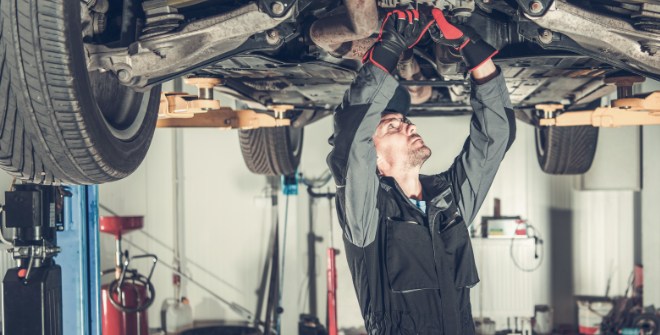

Why Your Car Smells Like Burning Rubber (And What to Do About It)
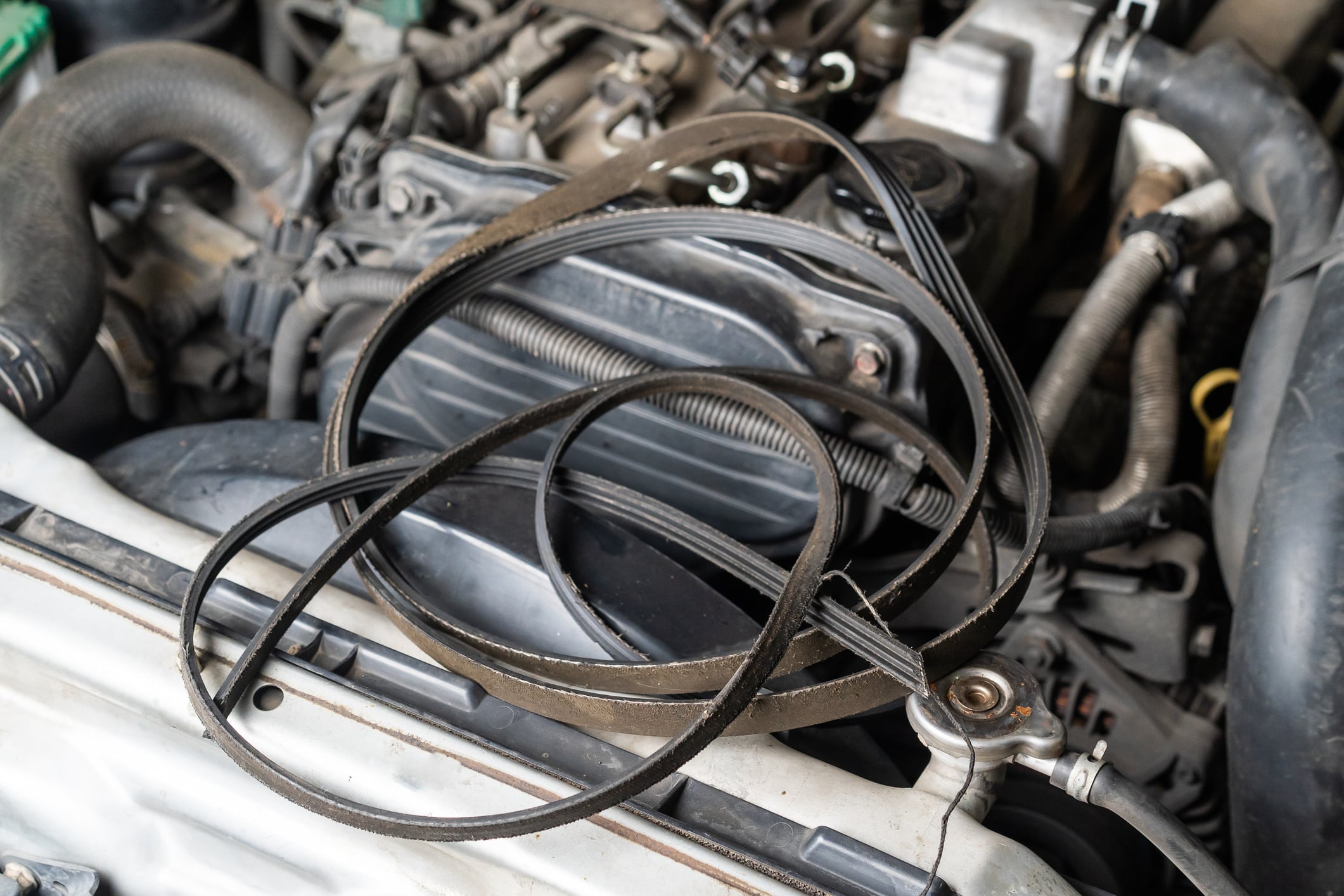
A burning rubber smell is one of the clearest ways your car communicates that something needs attention. While it might seem alarming, the smell can stem from various sources—some minor, others more serious. The key is identifying the cause quickly so you can take action before a small issue becomes an expensive repair.
Christian Brothers Automotive is here to walk through the seven most common culprits behind that burning rubber smell and how to fix them:
1. Worn or Slipping Drive Belt
One of the most frequent culprits behind a burning rubber smell is a worn, loose, or slipping drive belt. Your engine relies on one or more belts to power essential components like the alternator, power steering pump, and air conditioning compressor. When these belts become worn or lose proper tension, they slip against the pulleys, creating friction and that characteristic burning rubber odor.
You might notice this smell most prominently when you first start your car or when you accelerate. Sometimes you'll also hear a squealing noise accompanying the smell. If you suspect a belt issue, it's important to have it inspected promptly, as a broken belt can leave you stranded and potentially cause damage to other engine components.
2. Clutch Problems (Manual Transmission)
For drivers with manual transmissions, clutch issues are a common source of burning rubber smells. When you "ride the clutch" by keeping your foot partially engaged on the clutch pedal, or if you're learning to drive stick and having trouble with smooth engagement, the clutch disc creates excessive friction against the flywheel. This friction generates heat and produces that telltale burning smell.
Common clutch-related scenarios include:
- Riding the Clutch: Resting your foot on the pedal while driving causes constant friction
- Hill Starts: Holding the car on an incline using only the clutch creates excessive wear
- Improper Shifting: Grinding gears or incomplete engagement generates heat
- Worn Clutch Disc: An aging clutch may slip even with proper driving technique
If you notice the smell frequently, especially during normal driving, your clutch may be worn and need replacement. A professional inspection can determine whether it's a driving habit issue or a mechanical problem requiring repair.
3. Brake Issues
Your brakes can also produce a burning rubber smell, although you’ll notice other symptoms alongside the burning smell. This typically occurs when brake components overheat due to excessive use, such as riding your brakes down a long hill, driving with the parking brake partially engaged, or being overdue for a replacement. The smell originates from the brake pads and rotors becoming extremely hot due to constant friction.
If you've just driven through mountainous terrain or stopped repeatedly in heavy traffic, some brake smell might be normal. However, if the smell persists during regular driving or you notice decreased braking performance, you should have your brake system inspected immediately. A stuck brake caliper can cause continuous friction even when you're not applying the brakes, creating both the smell and a serious safety hazard.
4. Oil or Fluid Leaks on Hot Engine Components
When engine oil, power steering fluid, or other automotive fluids leak onto hot engine parts, such as the exhaust manifold or engine block, they burn and create a smell that can be mistaken for burning rubber. These leaks often develop from worn gaskets, damaged hoses, or loose connections. The smell is usually more prominent after the engine has been running and reaches operating temperature.
Check under your car for puddles or spots that might indicate a leak. Look for wet spots on the engine itself or traces of fluid on hoses and connections. Addressing fluid leaks promptly not only eliminates the unpleasant smell but also prevents potential engine damage from low fluid levels.
5. Damaged or Misaligned Hoses
Your vehicle contains numerous rubber hoses that carry coolant, air, and other fluids throughout various systems. If one of these hoses becomes loose, misaligned, or damaged, it might come into contact with hot engine components or moving parts. The resulting friction creates heat and that burning rubber smell you're noticing.
Hose problems to watch for:
- Loose Clamps: Hoses shifting from their proper position
- Worn Rubber: Aged hoses rubbing against engine parts
- Improper Installation: Hoses routed incorrectly after service
- Heat Damage: Hoses positioned too close to exhaust components
A visual inspection of your engine bay can often reveal these issues. Look for hoses that appear worn, melted, or positioned where they shouldn't be. Replacing or repositioning damaged hoses is usually a straightforward and inexpensive fix.
6. Tire Problems
Sometimes the burning rubber smell is actually coming from your tires. Excessive tire spin, driving with underinflated or overinflated tires, or misaligned wheels can cause your tires to overheat and produce a burning smell. You might also notice this if your emergency brake was left engaged while driving, causing the rear wheels to drag.
Check your tire pressure regularly and ensure all tires are inflated to the manufacturer's recommended PSI. If your vehicle pulls to one side or you notice uneven tire wear, you may need a wheel alignment. These simple maintenance tasks can prevent tire damage and eliminate burning rubber odors.
7. Electrical Short or Overheating Wiring
While less common, electrical issues can sometimes produce a smell similar to burning rubber. Overheating wires, short circuits, or failing electrical components can melt the plastic insulation around wiring, creating an acrid burning odor. This is often accompanied by electrical problems, such as malfunctioning accessories, dashboard warning lights, or blown fuses.
These can be caused by improper installation, old wiring, or even rats and other pests. If you suspect an electrical problem, especially if you see smoke or notice flickering lights along with the burning smell, pull over safely and have your vehicle towed to a repair facility. Never ignore electrical burning smells, as they can indicate a serious safety hazard.
When to Visit Christian Brothers Automotive
While some burning rubber smells may be temporary or easy to identify, others require professional diagnosis and repair. At Christian Brothers Automotive, our experienced technicians can quickly pinpoint the source of unusual odors and provide honest recommendations for repairs. We understand that car troubles can be stressful, which is why we're committed to providing transparent service and treating every guest with respect and care.
Don't let a burning rubber smell turn into a major repair. Schedule an appointment at your nearest Christian Brothers Automotive location today!
[1].jpg "Four Common Services Offered at Auto Repair Centers")
[2].jpg "Make Sure You're Getting Quality Auto Parts")
sunwash-tech-with-customer.png "What is a Car Inspection?")